



Originally published: Oct 24, 2021. Last updated: Oct 17, 2026.
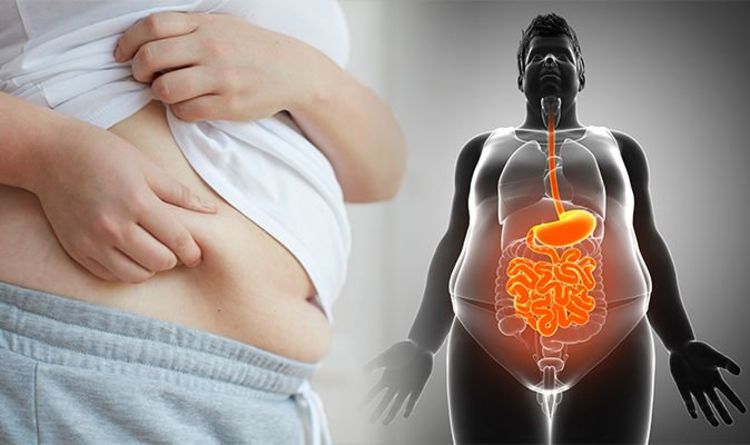
Not all body fat is created equal. The fat you can pinch under your skin is mostly a cosmetic concern, but the fat packed deep inside your abdomen, wrapped around your liver, intestines, and other organs, is a different story. Visceral fat is metabolically active tissue that releases inflammatory signals and disrupts how your body handles insulin and cholesterol. It predicts heart disease, type 2 diabetes, and stroke risk more strongly than your overall weight or BMI, even in people whose weight looks normal. The good news is that visceral fat responds well to lifestyle change, often shrinking before the number on the scale moves much. This guide reviews what the evidence actually says about losing visceral fat, from exercise and diet to sleep, stress, and the new prescription medications, and explains why no single method beats a combination approach.
What Visceral Fat Is and Why It Matters More Than BMI
Body mass index tells you how heavy you are for your height, but it cannot tell you where the fat sits. Two people with the same BMI can have very different health risks depending on how much fat is stored viscerally versus subcutaneously. Visceral fat is a stronger determinant of cardiometabolic complications than BMI, even at normal weight, according to the National Institute of Diabetes and Digestive and Kidney Diseases. Excess abdominal fat raises the risk of type 2 diabetes, heart disease, and stroke, and nearly 9 in 10 people with type 2 diabetes have overweight or obesity.
What makes visceral fat dangerous is its behavior. Unlike subcutaneous fat, which is relatively inert, visceral fat drains directly into the portal vein leading to the liver, flooding it with fatty acids and inflammatory cytokines. This promotes insulin resistance, raises triglycerides, lowers HDL cholesterol, and increases blood pressure. The result is the cluster of problems doctors call metabolic syndrome. The encouraging flip side is that visceral fat is also the first fat to go when you create a sustained calorie deficit through diet and activity. Imaging studies show meaningful reductions in visceral fat area within weeks of starting a serious program, which is why waist measurements often improve before weight does.
How to Tell If You Have Too Much: Waist Measurement Cutoffs
You do not need a scan to estimate visceral fat. Waist circumference is a reliable proxy, and the World Health Organization defines clear cutoffs. For men, a waist above 94 cm (37 inches) signals increased risk of metabolic complications, and above 102 cm (40 inches) signals substantially increased risk. For women, the thresholds are above 80 cm (31.5 inches) for increased risk and above 88 cm (34.6 inches) for substantially increased risk.
Measure correctly: wrap a tape measure around your bare abdomen midway between the bottom of your ribs and the top of your hip bones, breathe out normally, and read the number without pulling the tape tight. Waist to height ratio is another useful check; keeping your waist under half your height is a simple target associated with lower risk. Measure at the same time of day, ideally in the morning before eating, and record the number monthly. A shrinking waist with a stable scale weight usually means you are losing visceral fat while preserving muscle, which is exactly the outcome you want. If your waist exceeds the substantially increased risk threshold, that is a strong signal to act, and a conversation with your clinician is worthwhile even if your BMI is in the normal range.
Move More: What the Exercise Evidence Really Shows
Exercise is one of the most reliable ways to shrink visceral fat, and the guidelines are clear. The American Heart Association recommends at least 150 minutes per week of moderate intensity aerobic activity, or 75 minutes of vigorous activity, plus muscle strengthening on at least two days per week. Meeting these minimums consistently produces measurable visceral fat loss even without dietary change, though combining the two works better.
High intensity interval training, or HIIT, gets a lot of attention for fat loss. A network meta-analysis found that HIIT significantly reduced waist circumference by 2.3 cm and visceral fat area by 6.83 square cm (Obesity Reviews). But the crucial detail is that when total energy expenditure was matched, HIIT and moderate intensity continuous training performed similarly. A 2025 meta-analysis found low volume HIIT reduced visceral fat more than moderate training with about 40 percent less time commitment, though the evidence certainty was rated low (Taylor and Francis). A larger Sports Medicine meta-analysis of 39 studies and 617 subjects confirmed that HIIT significantly reduced total, abdominal, and visceral fat in adults with overweight or obesity, with no differences between sexes (Springer).
The practical takeaway: pick the exercise you will actually do. HIIT saves time but is demanding and harder to sustain for beginners. Brisk walking, cycling, and swimming done consistently for 150 plus minutes a week are just as effective per calorie burned. Add resistance training twice a week to preserve muscle, because muscle loss during weight loss can offset metabolic benefits. Readers comparing approaches may also want our evidence review of fat burners and their precautions, which separates the few ingredients with modest evidence from the many with none.
Eat for Less Visceral Fat: The Mediterranean Pattern
No diet has stronger evidence for visceral fat reduction than the energy controlled Mediterranean pattern. In the PREDIMED-Plus trial of 1,521 older adults with metabolic syndrome, an energy reduced Mediterranean diet combined with physical activity promotion significantly reduced visceral fat by 126 grams at one year compared with standard Mediterranean advice (PMC). The pattern emphasizes vegetables, fruits, legumes, whole grains, olive oil, nuts, and fish, with limited red meat, processed foods, and added sugars.
What matters most is the calorie deficit, not the diet’s brand name. A moderate deficit of 500 to 750 calories per day produces steady fat loss while preserving muscle, especially when protein intake stays adequate at roughly 1.2 to 1.6 grams per kilogram of body weight daily. Crash diets backfire: very low calorie diets without medical supervision strip lean mass, slow resting metabolism, and trigger rebound overeating. Our analysis of why crash diets fail but clinical slimming works explains the metabolic adaptation research in detail. For a full lifestyle framework, see our comprehensive health guide for weight conscious people.
Sleep and Stress: The Cortisol Connection
Poor sleep is an underappreciated driver of visceral fat. In a controlled trial, just 14 days of sleep restriction with free access to food caused an 11 percent increase in visceral fat area and a 9 percent increase in total abdominal fat area (Journal of the American College of Cardiology). The mechanism runs partly through cortisol: sleep loss elevates cortisol by 19 to 21 percent in young men after only two nights of 4 hour sleep, and elevated cortisol promotes fat storage preferentially in the abdominal region (PMC).
Chronic psychological stress works through the same pathway. People under sustained stress tend to sleep worse, move less, and eat more calorie dense comfort foods, a triple hit for visceral fat. Aim for 7 to 9 hours of sleep per night, keep a consistent sleep schedule, and treat stress management as part of the fat loss plan rather than an optional extra. Daily walking, brief meditation, and limiting late night screen time are low cost interventions with real effects on cortisol and sleep quality.
Cut the Liquid Calories: Sugary Drinks and Alcohol
Some of the strongest dietary evidence concerns what you drink. Daily sugar sweetened beverage consumers had significantly higher waist circumference (101.9 vs 96.6 cm) and visceral fat area (104.7 vs 92.9 square cm) than non consumers, and in a feeding trial, fructose specifically increased visceral fat by 14 percent compared with 3 percent for glucose (PMC). Liquid calories do not trigger fullness the way solid food does, so they add energy on top of meals rather than replacing them.
Alcohol deserves the same scrutiny. Each extra alcoholic serving per day is associated with more liver fat, while replacing one alcoholic drink with a non alcoholic one is associated with less liver fat (Maastricht University). Alcohol also disinhibits eating and disrupts sleep architecture. You do not need total abstinence to make progress, but cutting sugary drinks entirely and keeping alcohol to genuinely occasional use removes two of the easiest sources of visceral fat gain.
Prescription Options: A Note on GLP-1 Medications
For people with obesity or overweight plus weight related conditions, prescription GLP-1 medications have changed the landscape. Semaglutide (Wegovy) was FDA approved for chronic weight management in 2021, and tirzepatide (Zepbound) was approved on November 8, 2023, for adults with BMI of 30 or higher, or 27 or higher with a weight related condition (FDA). These drugs reduce appetite and food intake substantially, and trials show meaningful visceral fat reduction alongside total weight loss.
Important caveats apply. These are prescription medications with real side effects, including nausea, vomiting, and rare but serious risks, and they are always meant as adjuncts to a reduced calorie diet and increased activity, not replacements. They are also expensive and often poorly covered by insurance. Most importantly, stopping the medication typically leads to substantial weight regain, so the decision to start should be made with a clinician as part of a long term plan, not as a quick fix. Lifestyle change remains the foundation whether or not medication is involved. If you are considering this route, ask your clinician about eligibility criteria, expected timelines, side effect management, and what the maintenance plan looks like if you ever stop. Bring your waist measurements and recent labs to that conversation so the decision is based on your personal risk profile rather than advertising. An informed choice beats a hurried one.
The Combination That Actually Works
The evidence points to one conclusion: there is no single best method for losing visceral fat, but a combination approach reliably works. Eat in a moderate calorie deficit built around a Mediterranean style pattern. Do at least 150 minutes of aerobic activity weekly plus two resistance sessions, choosing exercise modalities you will sustain. Sleep 7 to 9 hours and manage stress rather than letting cortisol drive abdominal storage. Eliminate sugary drinks and keep alcohol occasional. Measure your waist monthly, not just your weight, because the tape measure captures visceral change the scale misses.
Expect meaningful change in 8 to 12 weeks of consistent effort, with continued improvement over months. Visceral fat is metabolically responsive, which means it is also quick to return if habits lapse, so build a routine you can maintain for years rather than a program you endure for weeks. The payoff extends far beyond appearance: less visceral fat means better insulin sensitivity, healthier blood lipids, lower blood pressure, and lower risk of diabetes, heart disease, and stroke. People who track their waist monthly and adjust early, adding a weekly walk or tightening up weekend eating when the tape creeps up, keep their gains far better than those who only weigh themselves. Think of visceral fat management as a permanent lifestyle setting, like brushing your teeth, rather than a project with a finish line.
Age, Hormones, and Genetics: Why Visceral Fat Increases Over Time
Visceral fat tends to accumulate with age even when total weight stays stable, and hormones are a major reason. In women, the menopause transition shifts fat storage from the hips and thighs toward the abdomen as estrogen declines. In men, gradually falling testosterone is associated with increased visceral fat and reduced muscle mass from middle age onward. These shifts mean that the diet and exercise routine that maintained your waistline at 35 may not be enough at 55, not because the approach stopped working but because the hormonal landscape changed around it.
Genetics also plays a role: some people are predisposed to store fat viscerally rather than subcutaneously, which is why two people with identical lifestyles can have different waistlines. You cannot change your genes or fully override hormonal shifts, but the levers still work. Resistance training is especially valuable after 40 because it counteracts age related muscle loss, and muscle tissue keeps resting metabolism higher. Protein intake becomes more important for the same reason. If abdominal fat is increasing rapidly despite consistent habits, or if you have symptoms suggesting a hormonal disorder such as Cushing syndrome or untreated hypothyroidism, discuss it with your clinician rather than assuming it is normal aging.
Frequently Asked Questions
What is visceral fat and why is it dangerous?
Visceral fat is fat stored deep inside the abdomen around organs like the liver and intestines. Unlike subcutaneous fat under the skin, it is metabolically active: it releases inflammatory signals and fatty acids directly to the liver, promoting insulin resistance, high triglycerides, and high blood pressure. It predicts heart disease, type 2 diabetes, and stroke more strongly than BMI alone.
How do I know if I have too much visceral fat?
Waist circumference is the best home proxy. The World Health Organization flags increased risk above 94 cm for men and 80 cm for women, and substantially increased risk above 102 cm for men and 88 cm for women. Measure midway between your lowest rib and hip bone after breathing out normally.
Is HIIT better than regular cardio for visceral fat?
Not meaningfully. HIIT reduces visceral fat, but when total calories burned are matched, it performs about the same as moderate intensity cardio like brisk walking or cycling. HIIT saves time but is harder to sustain. Choose the exercise you will do consistently, and add resistance training twice weekly to preserve muscle.
Can diet alone reduce visceral fat?
Yes, a sustained calorie deficit reduces visceral fat, and visceral fat often shrinks before total weight drops much. An energy controlled Mediterranean pattern has the strongest trial evidence. But diet plus exercise works better than either alone, and poor sleep or high stress can blunt results through cortisol driven abdominal storage.
Do fat burner supplements help with visceral fat?
The evidence is weak. Ingredients like caffeine and green tea extract show only tiny effects, and many popular fat burners have no proven benefit or carry real risks. No supplement replaces a calorie deficit, regular exercise, and good sleep. Our review of fat burner evidence and precautions covers each ingredient in detail.
How long does it take to lose visceral fat?
Imaging studies show measurable reductions within weeks of starting a consistent diet and exercise program, with meaningful change typically in 8 to 12 weeks. Track your waist monthly rather than obsessing over daily scale weight. Because visceral fat returns quickly if habits lapse, build a routine you can maintain long term.
Medical disclaimer: This article is for informational purposes only and is not a substitute for professional medical advice, diagnosis, or treatment. Consult a qualified clinician before starting any diet, exercise, or weight loss program, especially if you have a medical condition or take prescription medications.
