


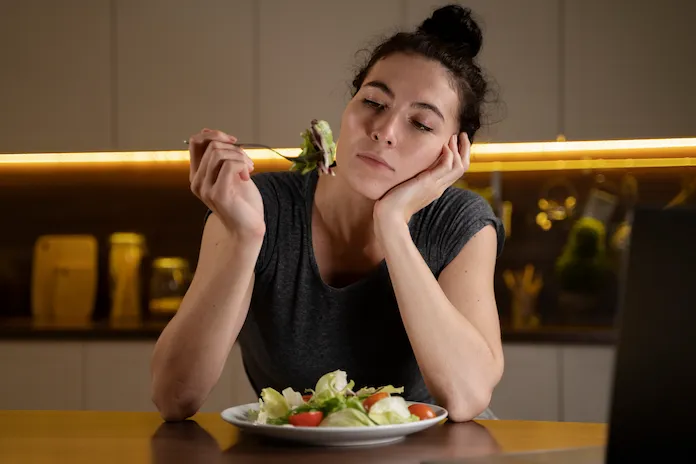
Losing extra weight quickly might seem tempting, especially when “miracle” diets promise dramatic results in just days or weeks. But if you’ve ever tried a crash diet and regained the weight as soon as you stopped, you’re not alone. These quick-fix approaches may deliver short-term loss, but they rarely lead to lasting results, and sometimes they even harm your body.
Meanwhile, clinical slimming treatments are becoming a preferred option for people who want real, long-lasting body changes. But what’s the difference between the two? More importantly, why do crash diets fail while clinical slimming works? Let’s explore this in simple, science-backed language.
Crash Diets: Quick Fix, Long-Term Problems
Crash diets are extreme eating changes designed to force rapid weight loss, sometimes as much as 5–10 pounds in a single week. These diets typically involve very low calories, drastic food restrictions, or elimination of entire food groups.
At first, people often experience rapid weight changes. But here’s the problem: much of that “weight loss” is actually water loss and muscle loss, not fat reduction.
According to the National Institutes of Health (NIH), very low-calorie diets can lead to initial weight loss, but they often cause loss of muscle tissue and metabolic slowdown — making it easier to regain weight.
This explains the classic “yo-yo” effect:
You lose weight ➜ metabolism slows ➜ you regain weight quickly ➜ repeat.
This cycle leads to frustration, confusion, and a feeling that nothing works — even when you’re trying hard.
Why Crash Diets Don’t Work for Real Body Change
Let’s break down the main reasons crash diets usually fail:
1. Metabolic Slowdown
When calorie intake drops drastically, your body goes into “survival mode.” It burns fewer calories to preserve energy, making weight loss harder.
👉 This is backed by research from the Centers for Disease Control and Prevention (CDC), which shows that extremely low-calorie diets aren’t effective long-term and can reduce metabolic rate.
2. Muscle Loss Instead of Fat Loss
Muscle burns more calories at rest than fat. When crash diets cause muscle loss, your resting metabolic rate decreases. That’s why people often regain weight faster — and with a higher fat ratio.
3. Nutrient Deficiencies
Cutting out food groups or eating very little makes it nearly impossible to meet your vitamin, mineral, and protein needs. This can lead to fatigue, hair loss, weakened immunity, and mood swings.
4. Unsustainable Lifestyle
Crash diets are often temporary. Once normal eating resumes, the weight quickly returns, sometimes more than before.
Clinical Slimming: A Smarter, Sustainable Approach
In contrast to crash diets, clinical slimming treatments are designed to support your body’s natural processes through safe, evidence-based methods. These programs are usually developed by trained professionals who understand how the body works, and how to make lasting changes.
Clinical slimming doesn’t aim for instant weight loss. Instead, it focuses on long-term fat reduction, body contouring, metabolic improvement, and lifestyle support.
How Clinical Slimming Works
Professional slimming programs often combine the following elements:
1. Medical Assessment
A qualified specialist evaluates your body composition, lifestyle habits, and health history. This helps build a personalized plan that targets real issues, not just the number on the scale.
2. Non-Surgical Slimming Techniques
Modern clinics now offer medically supervised, non-surgical procedures that help reduce stubborn fat safely and effectively. These treatments are designed to target fat cells directly — especially in areas where diet and exercise alone may not give visible results.
Some commonly used techniques include:
Ultrasound Fat Cavitation
This treatment uses low-frequency sound waves to break down fat cells beneath the skin. The body then naturally processes and eliminates these fat cells over time. It is non-invasive and requires little to no downtime.
Radiofrequency (RF) Slimming
RF technology gently heats fat layers while stimulating collagen production. This not only helps reduce localized fat but also tightens loose skin — making it ideal for people concerned about sagging after weight loss.
Laser Slimming
Low-level laser energy targets fat cells and temporarily disrupts them, allowing the body to metabolize the released fat gradually. It is painless and commonly used for body contouring.
Fat Dissolving Injections
Fat dissolving injections are becoming increasingly popular for treating small, stubborn fat pockets such as under the chin, arms, abdomen, or thighs. These injections contain medically approved compounds that break down fat cells, which are then naturally eliminated by the body over time.
Why Clinical Slimming Works Better Than Crash Diets
Tailored to Your Body
Everyone’s body is unique. Clinical slimming takes this into account instead of using one-size-fits-all methods.
Targets Fat, Not Muscle
The goal is fat loss, not muscle loss — so your metabolism stays stable.
Minimal Side Effects
These treatments are non-invasive with lower risk compared to surgical options.
Promotes Long-Term Health
A good slimming plan includes lifestyle guidance — like balanced nutrition and physical activity — so results are lasting, not temporary.
Professional Support
Trained clinicians guide you, track progress, and adjust plans as needed.
Clinical Slimming and Healthy Weight Management
Being slim isn’t just about appearance, it’s about health. According to the World Health Organization (WHO), maintaining a healthy weight reduces your risk of many chronic diseases, such as cardiovascular disease, diabetes, and joint problems.
Clinical slimming helps you work toward a healthy weight with realistic goals, rather than dramatic, unsustainable changes. This makes it easier to maintain progress and feel better overall, physically and mentally.
When to Choose Professional Slimming Treatment
If you’ve tried healthy eating and regular exercise but still struggle with:
- Stubborn fat in certain areas (e.g., belly, thighs, arms)
- Slow progress despite effort
- Skin laxity or cellulite
- Frustration with weight plateaus
- Desire for safe, supported slimming
then professional slimming programs may be worth considering.
For people in Pakistan, location matters. If you’re looking for a trusted and professional option, exploring Health360 fat dissolving slimming treatment in Faisalabad can be a great start. These services combine clinical assessment, advanced slimming technologies, and lifestyle guidance tailored to your body type and goals.
Success Doesn’t Happen Overnight — But It Can Be Permanent
Remember, sustainable fat loss isn’t measured by a number on the scale after one week. It’s measured by long-lasting changes in body composition, energy, and confidence.
Unlike crash diets, which create temporary results with long-term drawbacks, clinical slimming focuses on your overall well-being, so the changes you make are healthy and meaningful.
Expert Tip
Don’t chase short-term diets, focus on long-term health. A real slimming plan combines science, consistency, and professional guidance. If quick fixes sound too good to be true, they probably are!
