



Originally published: April 1, 2021. Last updated: Oct 10, 2026.
Not every lead deserves the same effort. Calling a curious blog reader with a hard sales pitch wastes everyone’s time, and sending a ready-to-buy prospect into a six-week nurture sequence loses the deal to a faster competitor. The fix is knowing which type of lead you are looking at, and there are seven types every business person should recognize.
The Two Ways to Classify Leads
Before the list, one framing that clears up most confusion: the seven types below belong to two different dimensions, and they combine. The first dimension is temperature: hot, warm, and cold describe how interested a lead is right now. The second dimension is lifecycle stage: information-qualified, marketing-qualified, and sales-qualified describe how far a lead has traveled through your funnel and who owns the relationship. A single lead can be both warm and an MQL, or hot and an SQL. Keeping the two dimensions separate makes everything below easier to use.
The 7 Types of Sales Leads
| Type | What it means | Example | What to do |
|---|---|---|---|
| Hot lead | Ready or nearly ready to buy; shows clear buying intent | Requested a quote or demo this week | Respond fast and personally; route to sales immediately |
| Warm lead | Familiar with your brand and somewhat engaged, but not ready | Opened several emails and attended a webinar | Nurture with relevant content; follow up regularly |
| Cold lead | Fits your target market but has shown no interest yet | A contact from a purchased or built list, never contacted | Educate and qualify; expect a long nurture cycle |
| Information Qualified Lead (IQL) | Top-of-funnel; seeking information, shared contact details for it | Downloaded a free industry report | Send helpful information; do not pitch yet |
| Marketing Qualified Lead (MQL) | Engaged with marketing and meets fit criteria; not sales-ready | Visited pricing twice and matches your ideal customer profile | Continue nurturing; hand to sales when intent is clear |
| Sales Qualified Lead (SQL) | Vetted and accepted by sales as a real opportunity | Confirmed budget, authority, need, and timeline on a call | Work the deal: discovery, proposal, close |
| Product Qualified Lead (PQL) | Experienced value in a free product or trial; likely to upgrade | A free-trial user who hit a usage limit | Trigger upgrade outreach at the value moment |
1. Hot Lead
The hot lead is the one that meets your sales criteria and shows clear buying intent: a demo request, a pricing conversation, a direct question about implementation. The classic way to evaluate one is BANT: Budget (can they pay?), Authority (can they decide?), Need (do they have the problem?), Timeline (when will they decide?). Business organizations also hire lead generation companies to win over the hot leads and finalize the deals.
Hot leads are your highest priority and your most perishable asset. Speed matters more here than anywhere else: a hot lead contacted within the hour converts at a far higher rate than one contacted the next day. Route them to sales immediately, skip the nurture sequence, and make the next step effortless.
2. Cold Lead
A cold lead fits your target market but has shown no interest in your brand: they may not know you exist. Converting one takes significant effort and patient nurturing, because the lead may lack budget, authority, or a buying timeline even while having a genuine need that keeps them in your prospect list. Cold leads are the territory of cold calling and outbound prospecting: lead with education and qualification, not with a pitch, and measure success in conversations started rather than deals closed.
3. Warm Lead
Warm leads sit between hot and cold. They know your brand, have interacted with it (opened emails, visited pages, maybe replied to a message), and are generally receptive, but they are not ready to buy. They need a little nurturing to reach profitability: relevant content, periodic check-ins, and a clear path to take when their timing improves. SMS and email nurture campaigns are classic warm-lead tools because they keep the relationship alive at low cost.
4. Information Qualified Lead (IQL)
The information-qualified lead is at the top of the funnel: someone who found you while searching for information and shared contact details to get more of it, such as downloading a report or guide. They know very little about your business and are unlikely to buy soon. Marketing owns this stage: send the information they asked for, follow with genuinely helpful content, and resist the urge to hand them to sales. Pushing an IQL into a sales conversation is the fastest way to burn the relationship.
5. Marketing Qualified Lead (MQL)
A marketing qualified lead has engaged with your marketing (downloaded content, attended a webinar, repeatedly visited key pages) and meets your fit criteria, but is not yet ready for a sales conversation, as HubSpot’s lead-generation guide defines it. MQLs are past the awareness stage and into active interest. They get deeper marketing: solution-focused content, case studies, and invitations to product-specific events. When an MQL shows clear buying intent, marketing hands them to sales.
6. Sales Qualified Lead (SQL)
A sales qualified lead is a lead the sales team has reviewed and accepted as worthy of direct follow-up: the handoff point between marketing and sales. The rep has typically confirmed real need, budget, and timeline, often through a qualification conversation. Fit Small Business notes that SQLs are also called “sales-ready” or “sales-accepted” leads, which is why you will sometimes see the term “sales-ready lead”: it is an alternate label for an SQL, not a separate category. From here the work is pure sales: discovery, proposal, negotiation, close.
7. Product Qualified Lead (PQL)
The product qualified lead is the type the earlier version of this article missed, and it matters for any business with a free trial or freemium product: a PQL is someone who has experienced real value in your product and shows signals of being ready to pay, such as hitting a usage limit or inviting teammates. PQLs often convert better than MQLs because the product itself did the selling. If you run a product-led business, define your PQL triggers (usage milestones, feature adoption) and alert sales the moment they fire.
How the Types Fit Together in the Funnel
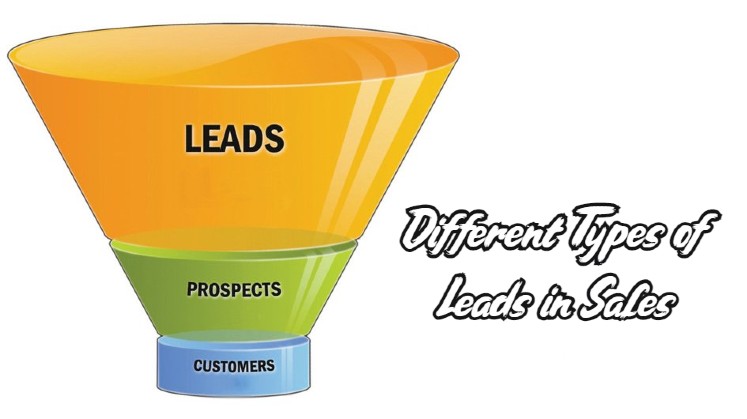
The lifecycle types form a progression that mirrors the buyer’s journey. HubSpot’s default lifecycle stages run: Subscriber, Lead, Marketing Qualified Lead, Sales Qualified Lead, Opportunity, Customer. An IQL enters at the top, becomes an MQL through engagement and fit, becomes an SQL when sales accepts them, and becomes an opportunity when a real deal takes shape. Temperature overlays this: a lead can go cold at any stage (and needs re-engagement), or turn hot suddenly (and needs an immediate response). For the full picture of how to organize these types into action, see our guide on what lead segmentation is, and for the demand-generation side, how to reach customers through digital marketing.
Conclusion: Know the Type, Match the Effort
Knowing the type of lead is what lets you put in the right mix of effort: instant personal follow-up for hot leads and SQLs, patient nurturing for warm leads and MQLs, education for cold leads and IQLs, and value-moment outreach for PQLs. Mismatching the effort is where deals die: pitching an IQL or nurturing a hot lead are both expensive mistakes. Learn more about the top of the funnel in our guide to creating highly effective lead magnets, and explore more tactics in our marketing section.
Frequently Asked Questions
What are the different types of leads in the sales process?
The seven main types are hot, warm, and cold leads (temperature: how interested the lead is right now) plus information-qualified (IQL), marketing-qualified (MQL), sales-qualified (SQL), and product-qualified (PQL) leads (lifecycle stage: how far the lead has traveled through your funnel).
What is the difference between an MQL and an SQL?
An MQL has engaged with your marketing and fits your customer profile but is not ready for a sales conversation. An SQL has been reviewed and accepted by the sales team as a legitimate opportunity, usually after confirming need, budget, authority, and timeline.
What is an information qualified lead (IQL)?
An IQL is a top-of-funnel lead who shared contact details in exchange for information, such as downloading a report or guide. They are researching a problem, know little about your business, and should receive helpful content rather than a sales pitch.
What is the difference between hot, warm, and cold leads?
Hot leads show clear buying intent and are ready to talk to sales. Warm leads know your brand and engage with it but are not ready to buy. Cold leads fit your target market but have shown no interest yet and need education and long-term nurturing.
How do you convert a cold lead into a hot lead?
Move them through the stages: educate cold leads with helpful content until they engage (becoming warm), continue nurturing until they meet your MQL criteria, and respond immediately when they show buying intent. Qualification frameworks like BANT (Budget, Authority, Need, Timeline) help you recognize when a lead has turned hot.
